August 23, 2019 | TRIPS

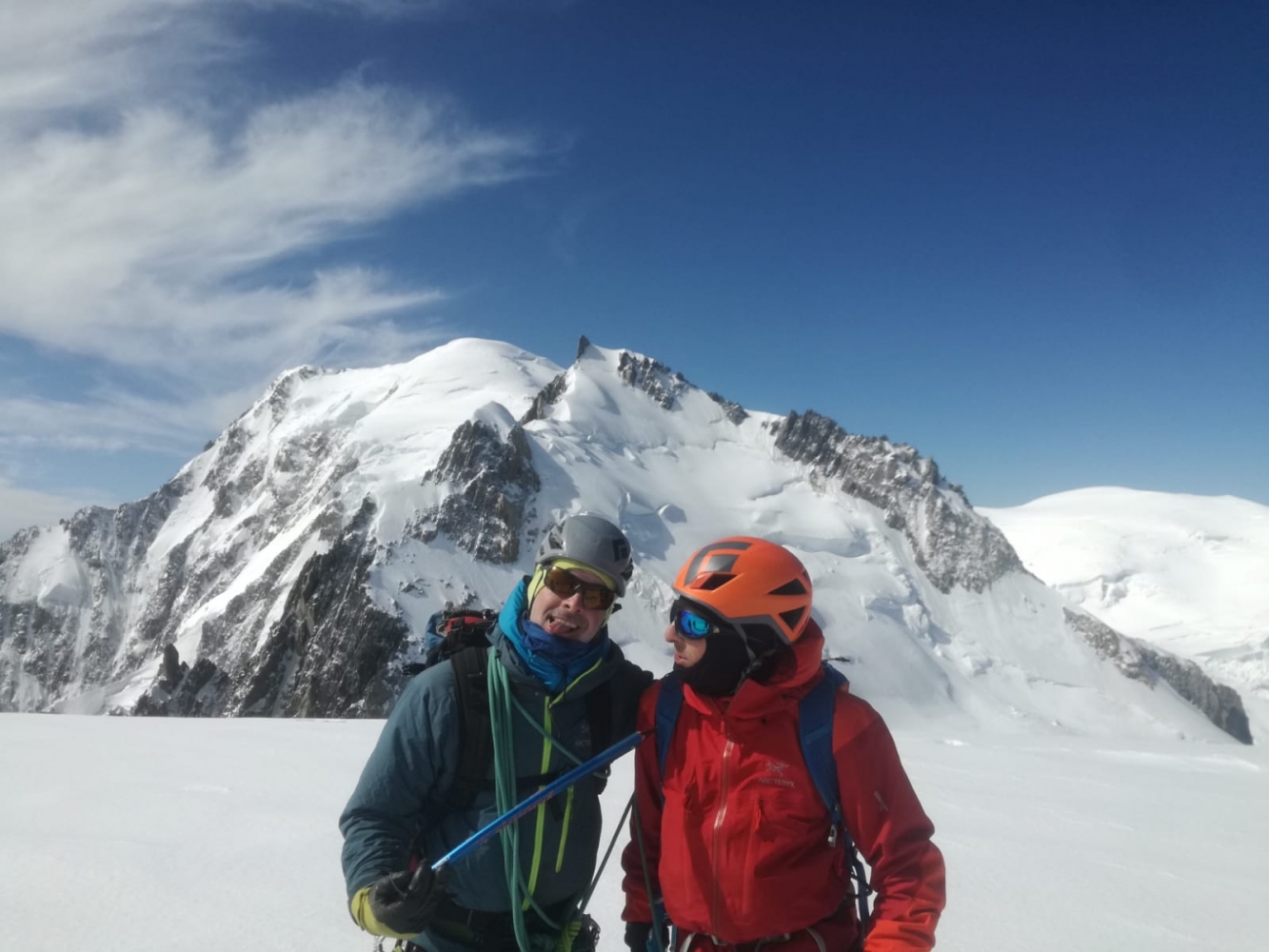
Monte Rosa, Punta Dufour (4,634 m) is a relatively easy mountain, but with a few features that make it a very interesting climb. It's the second-highest peak in the Alps, after Mont Blanc. Its first ascent was in 1855. Constant views of the Matterhorn and the entire Lyskamm range offer a unique panorama throughout the climb.
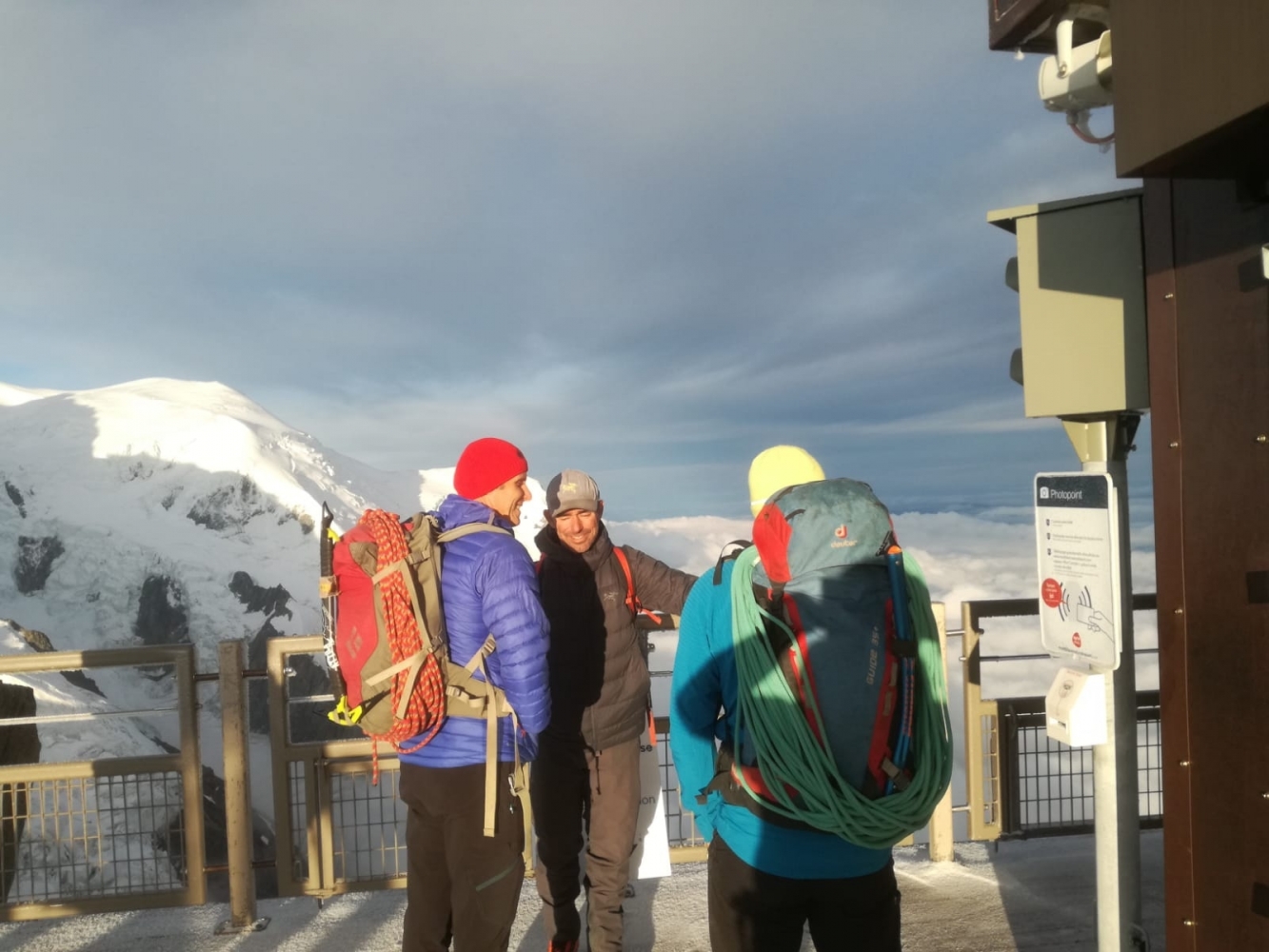
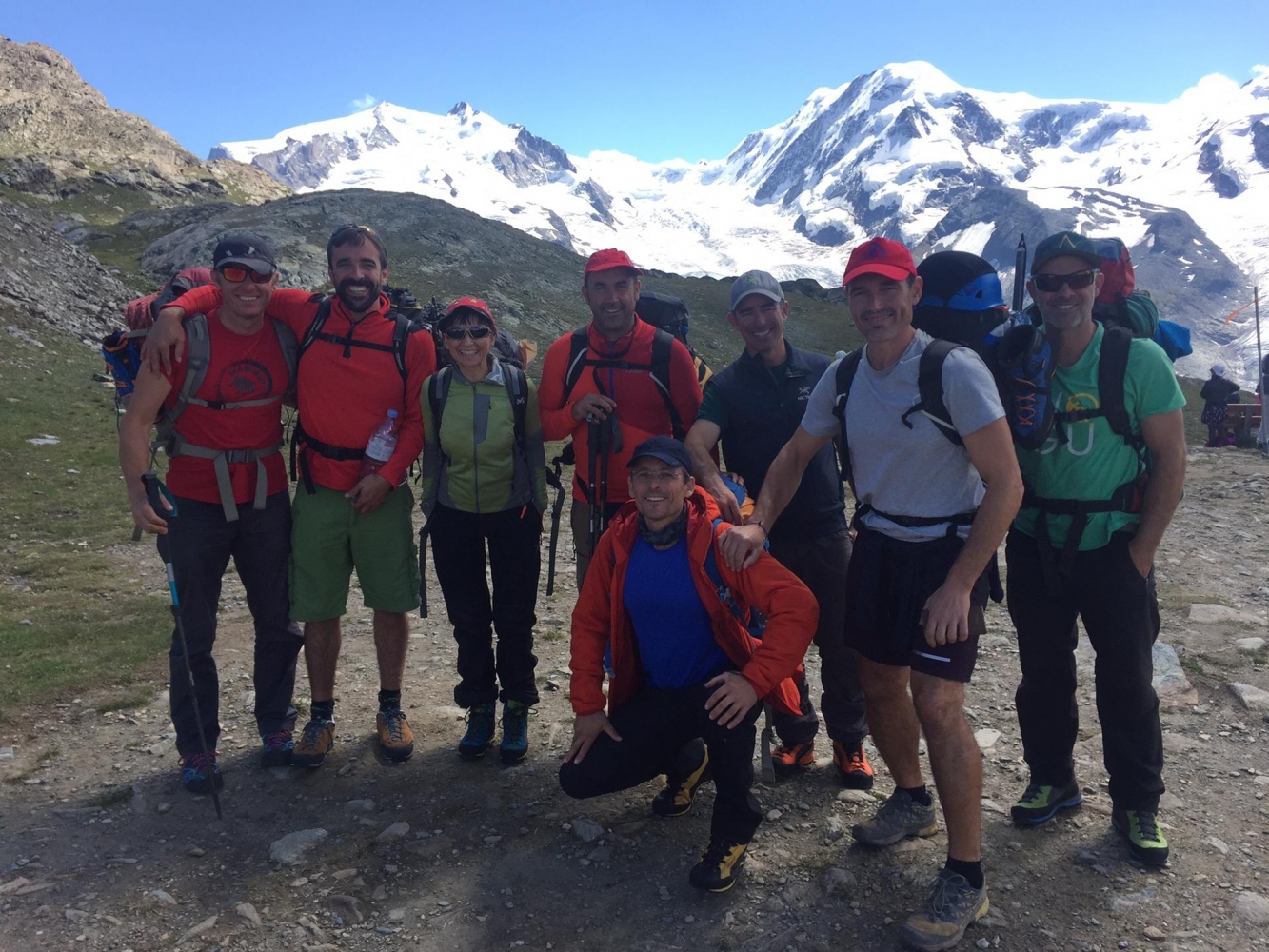
The hike up to the refuge from Zermatt is straightforward. First, a small train that gains us some altitude, followed by about 3 hours to the Monte Rosa Hut. Well marked and with little elevation gain, it turns out to be a calm day. The second day on the mountain is what turns this into a real odyssey. Breakfast is served at the refuge at 2:30am. As soon as you open your eyes, more than a hundred people are already getting ready to head out. Everyone wants to save time, so harness, clothes, everything on, and off to breakfast. Right after, on go the boots, helmets, and headlamps, and out as fast as possible. We leave the refuge at 3am. We kept a steady pace, calm but without losing rhythm. We knew it would be a long day and we needed to catch the last train down to Zermatt before 8:30pm.
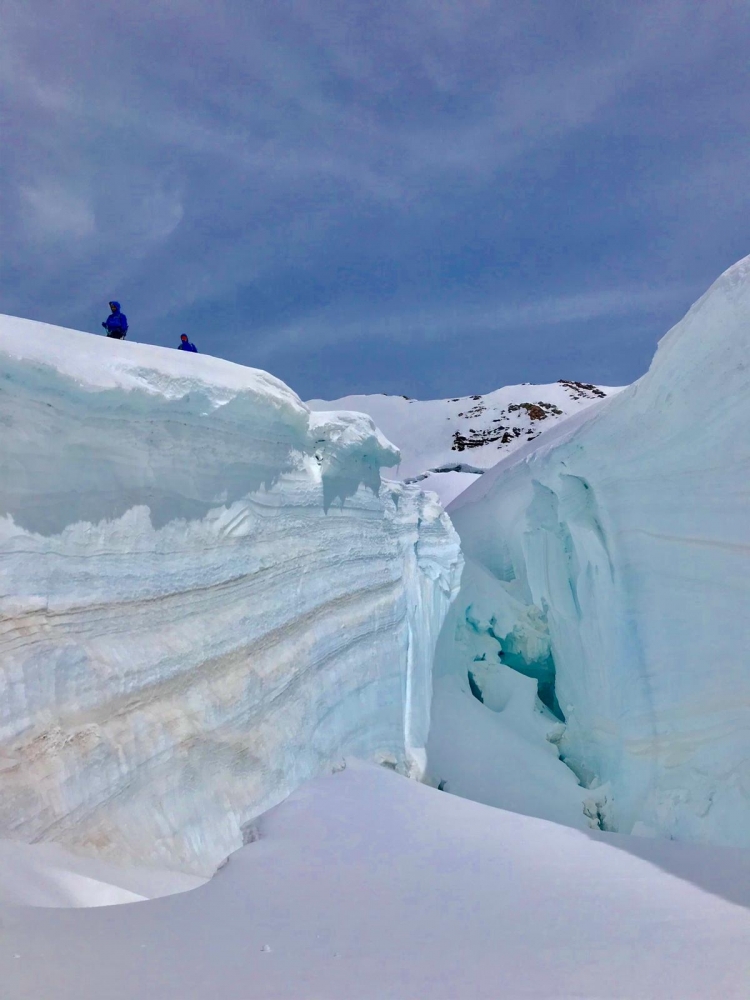
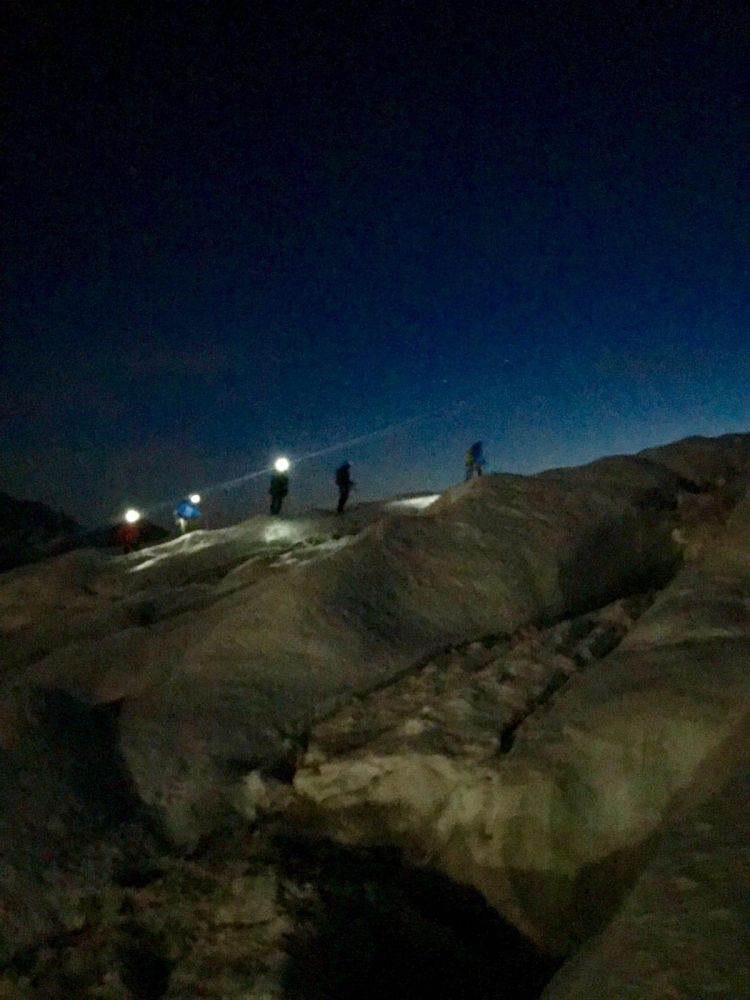
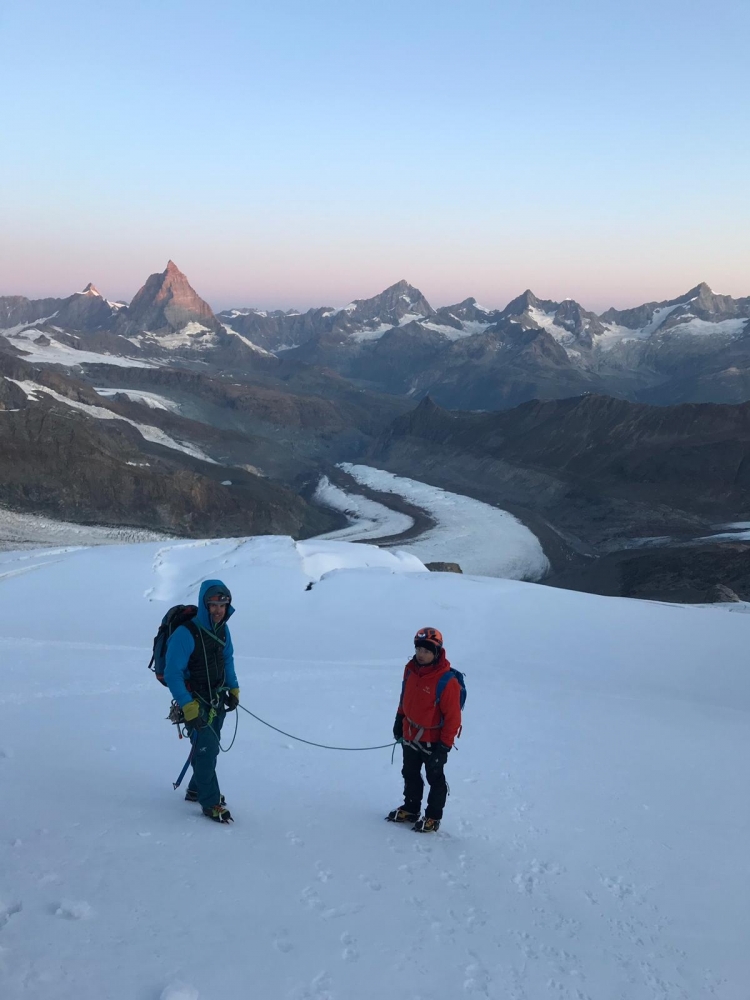
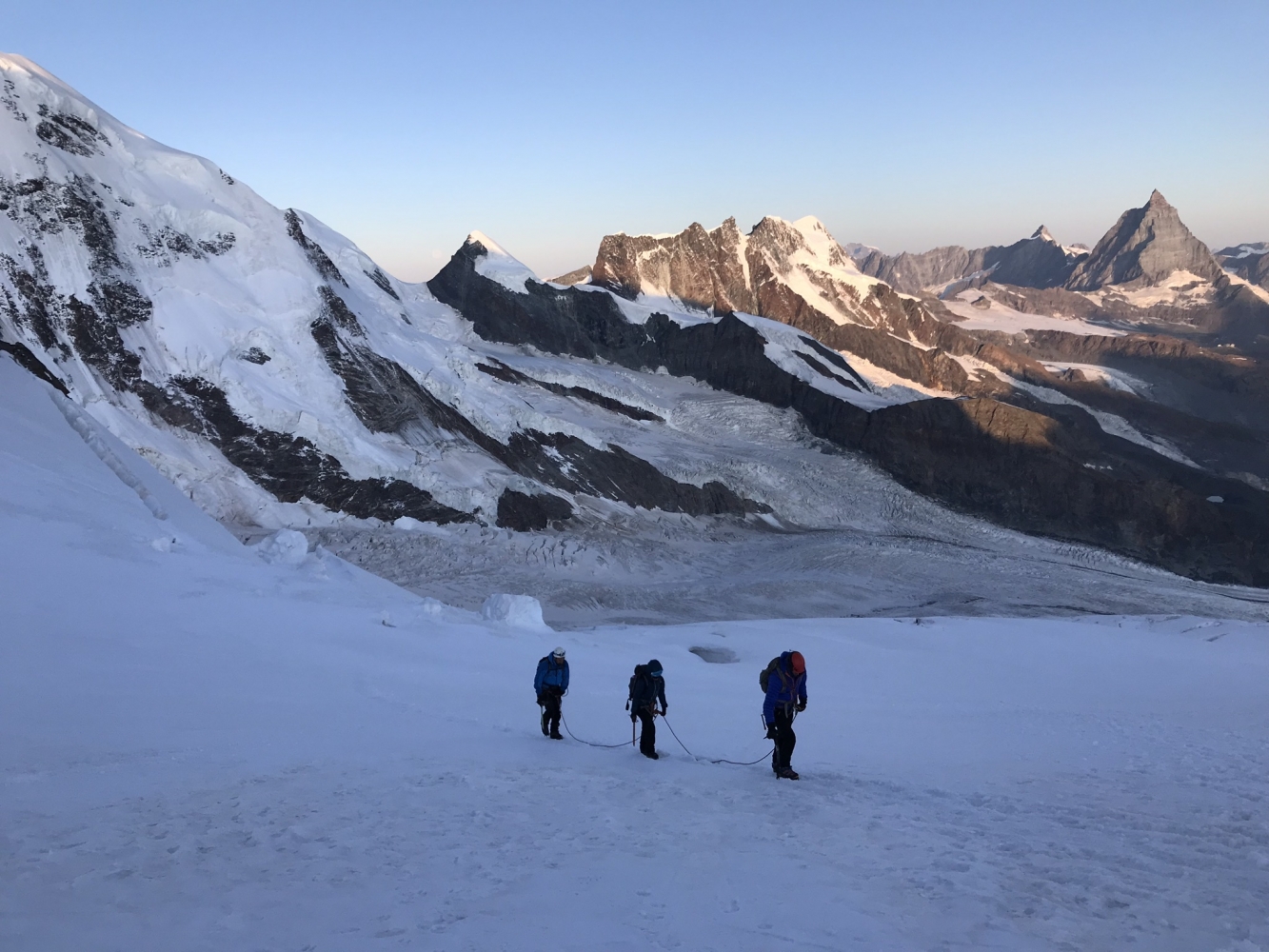
The first part of the route crosses rock, until we reach the glacier. Here we put on crampons and rope up. We split the team among the 3 guides. David and Albert each go with two clients, and I go with one, Jaume. All roped up, we check our crampons and set off, ice axe in hand. Now it's time to navigate crevasses under a spectacular full moon and a calm, clear sky. We're very lucky.
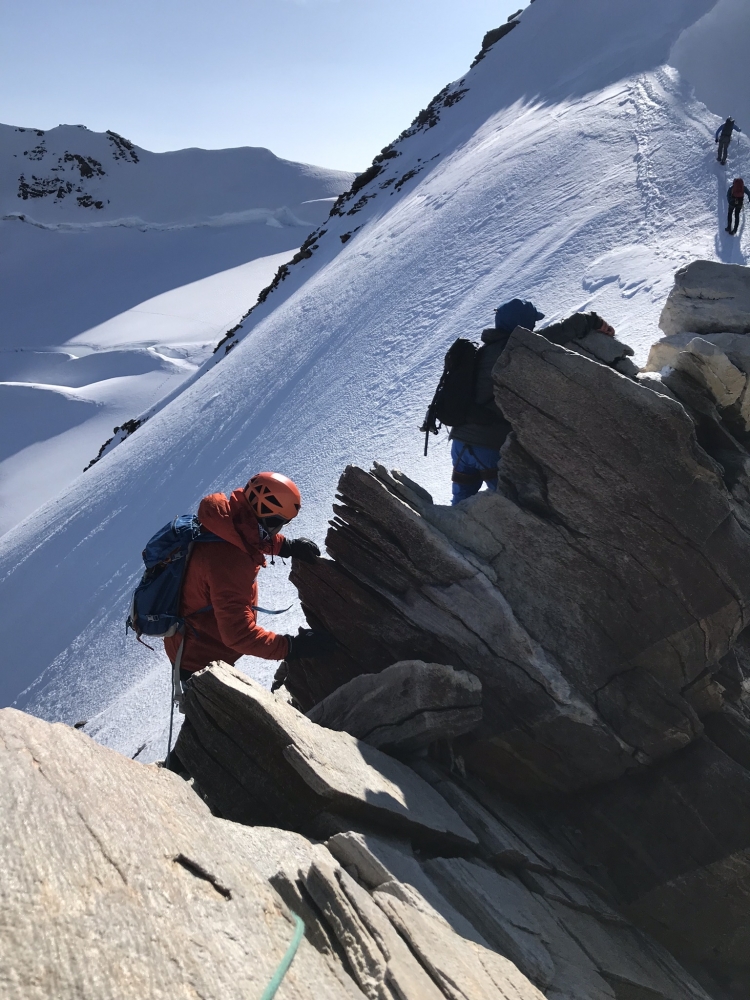
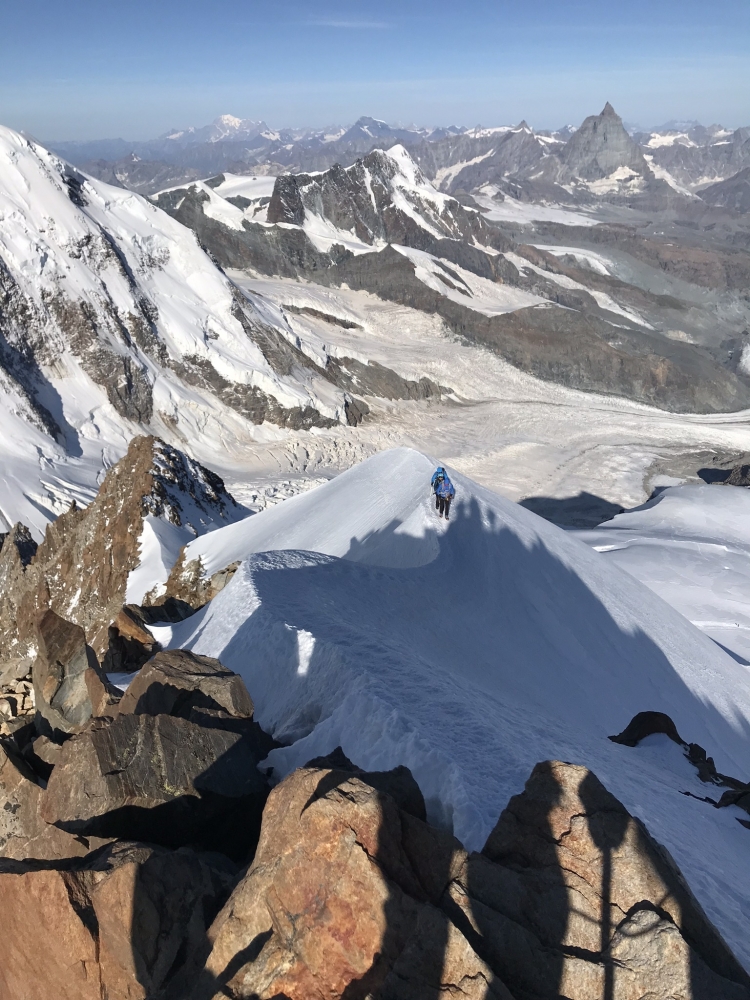
Little by little the terrain starts to get more difficult. We're not just gaining altitude — Jaume starts to feel it a bit, his head hurts slightly, and I notice the pace starting to slow. He also starts stopping a bit more often. We have to get across a steep ridge of fairly hard snow and ice. Maximum concentration. Inside, I know that if Jaume stumbles, I need to react very quickly to stop the fall before it has bigger consequences. I don't say anything, I hold the rope shorter, keep a bit more tension, and we keep moving. Soon we reach a stretch of ridge, not too difficult but where people start to bunch up. The exposure is high on both sides of the ridge. We make our way through, and then comes another, steeper ice ridge than the last. We get across it at a slow but steady pace. We're already above 4,000 meters, and the cold starts to bite. We know we're close to the summit, but this mountain doesn't give anything away for free. There's still one last ridge left to reach the top. This is where the roped teams coming down start crossing paths with those going up. It creates a bottleneck that at times feels like rush hour traffic in Barcelona. You have to be patient, stay calm, and push through the cold.
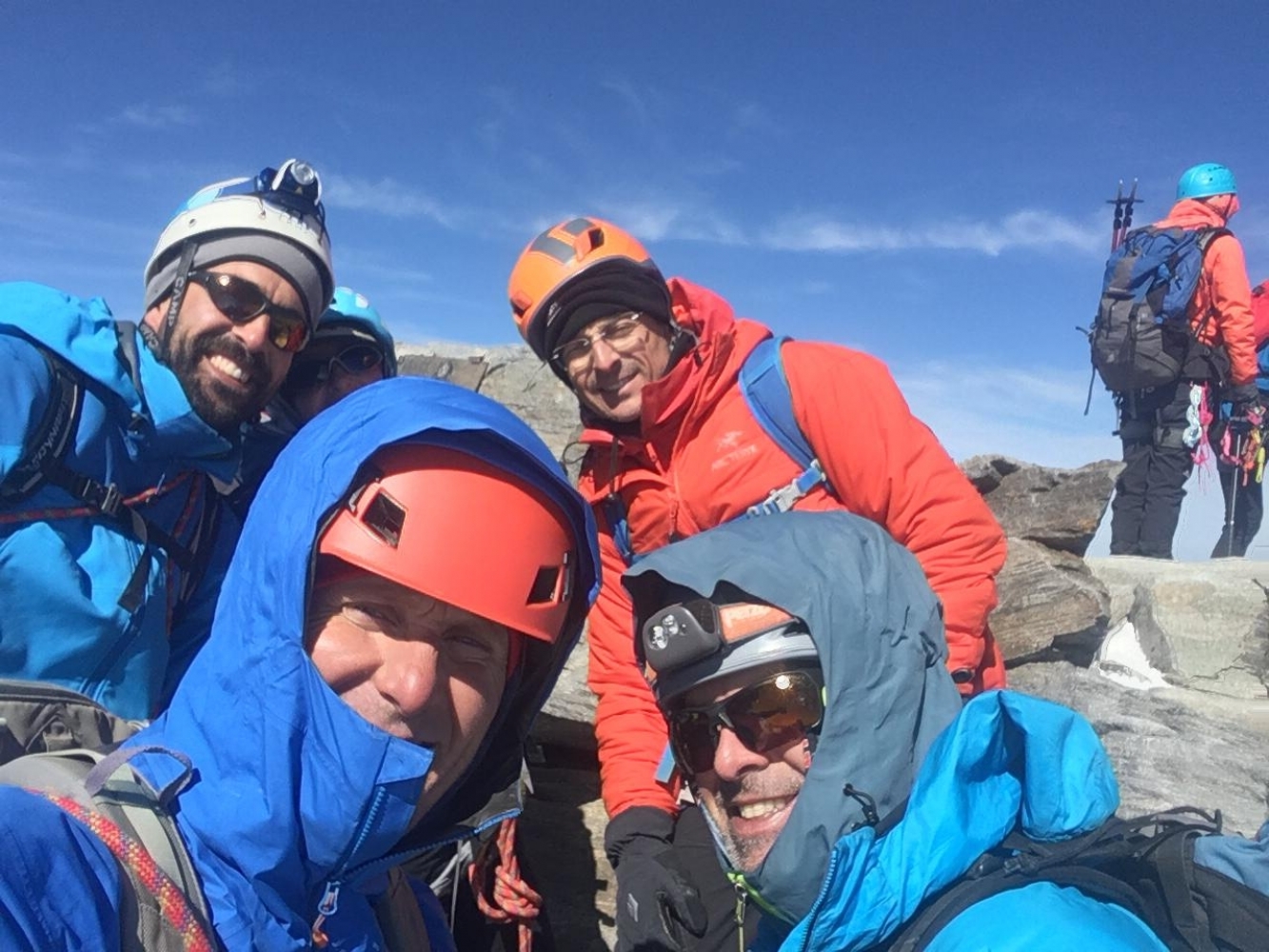
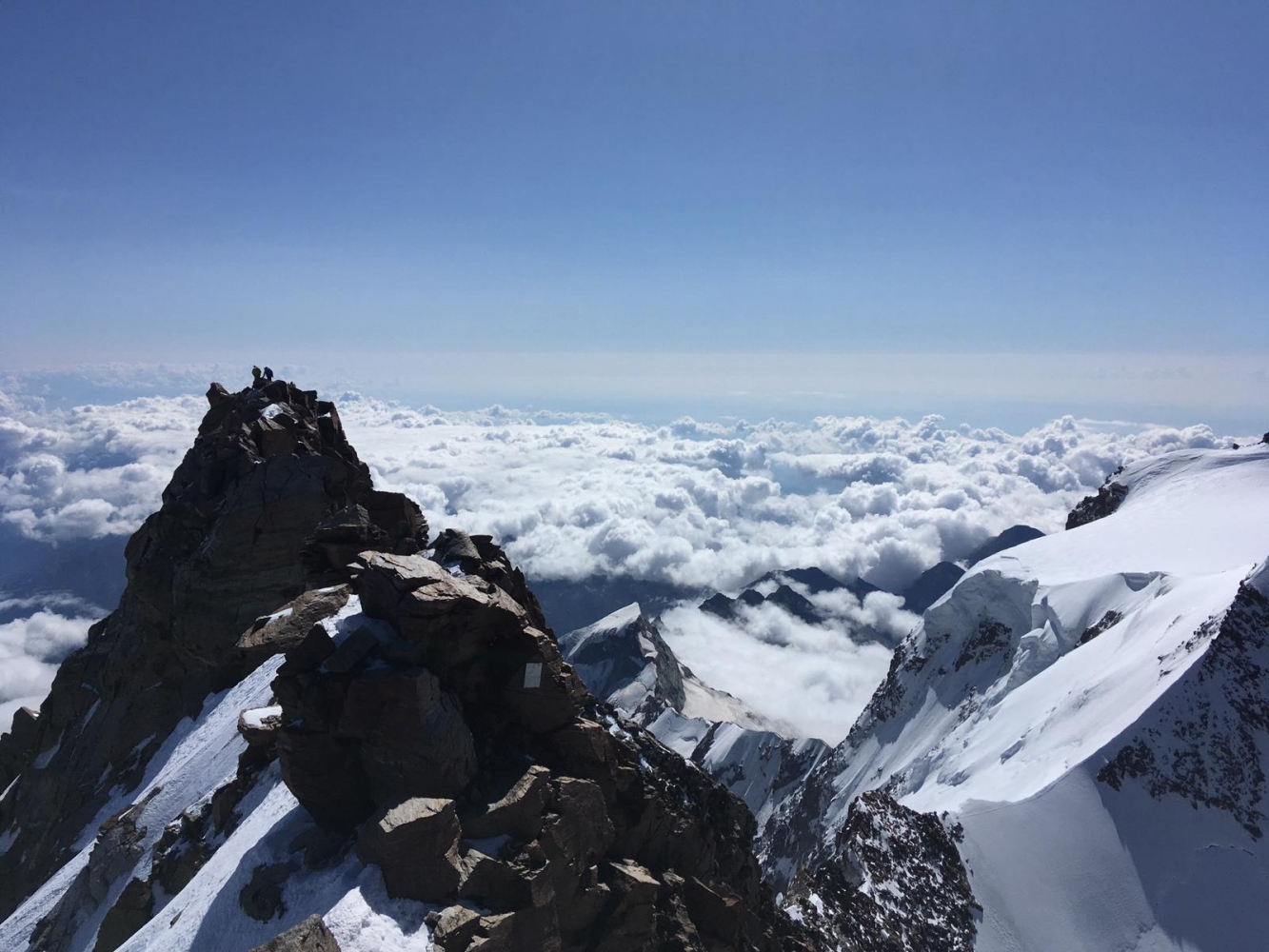
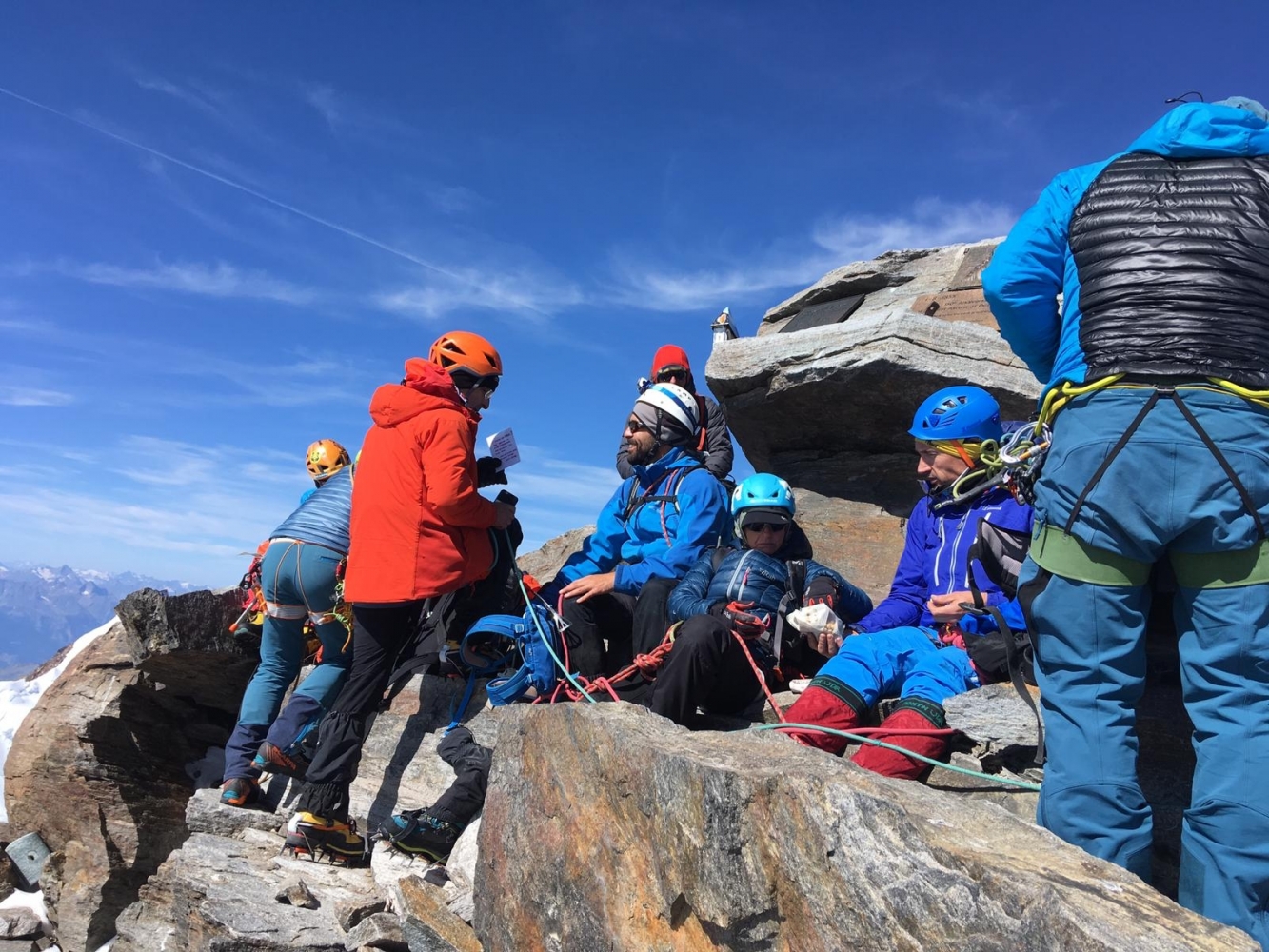
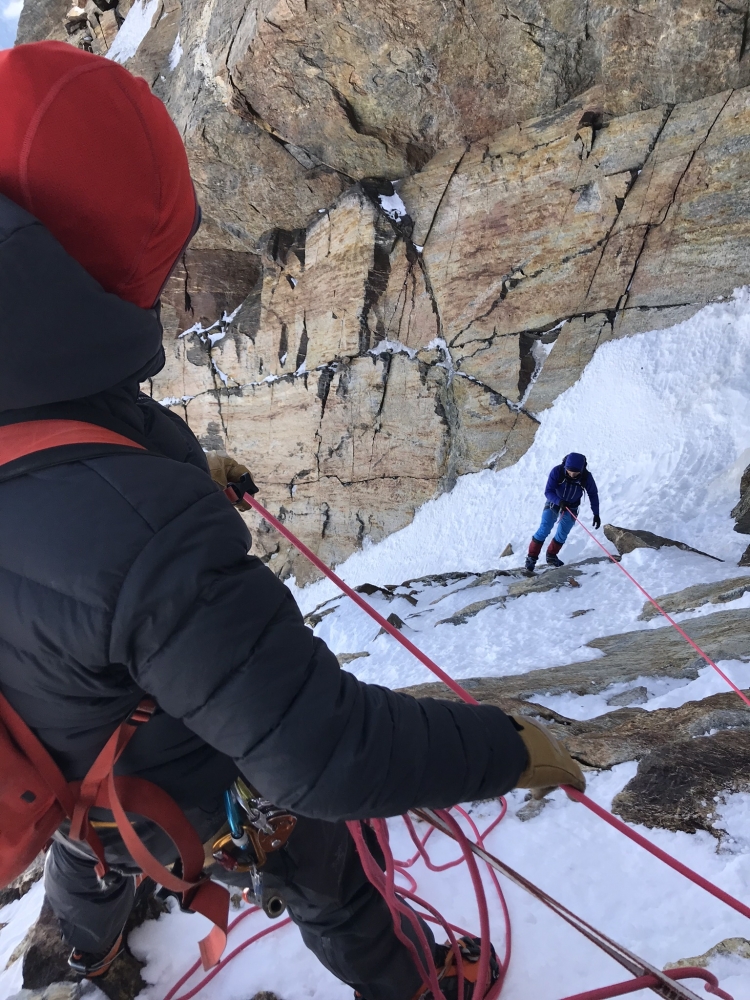
We finally reach the summit. All 8 of us stop up there. The clients relax a little, though they know this is only halfway — we still have a long way back. We enjoy the views, take photos, eat something. Meanwhile, we start weighing our descent options. We know there's a line of rappels and fixed ropes somewhere that would let us avoid retracing the ridges. We decide it's better to find those rappels. We find them quickly and start the descent. Two rappels, a few fixed ropes, and we're back on the glacier. Now it's time to rope up again and retrace the whole glacier back to the refuge.
We reach the refuge at 4pm. We're tired, it's hot, and we haven't eaten much. But we know we're on less committing terrain now, and we relax. We pack our bags and, after eating something, run to catch the last train. At 19:30 we catch the train, and now, finally, we can celebrate a great day in the mountains.
Discover the Sol Solet Climbing Route in Can Jorba, MontserratMontserrat, with its unique rock formations and spectacular landscapes, is an iconic climbing destination in Catalonia. Within this rock paradise, the Sol Solet route in Can Jorba stands out as one of the most accessible and enjoyable climbs for those seeking a combination of adventure and natural beauty
LEARN MOREMargalef is one of Europe’s premier sport climbing destinations. Its pocketed conglomerate rock creates a very specific climbing style requiring finger strength, body positioning, and tactical pacing.
LEARN MOREYou can contact us via email at [email protected] or by phone to (+34) 645 432 307, or by filling up the contact form in the following link.


(Translated by Google) Climbing course in Via Larga with Santi. It was two days of pure learning and enjoyment. It tests you and corrects you with clear and concise modifications taking into account all kinds of details. Activity very well planned and worked in incredible environments. Great experience!
(Original) Curso de escalada en Via Larga con Santi. Fueron dos días de puro aprendizaje y disfrute. Te pone a prueba y te corrige con modificaciones claras y concisas teniendo en cuenta toda clase de detalles. Actividad muy bien planificada y trabajada en entornos increíbles. Gran experiencia!
(Translated by Google) A fantastic experience with a great guide. Time used to the maximum and total safety on the rock!
(Original) Una experiencia fantástica con un guía estupendo. Tiempo aprovechado al máximo y total seguridad en la roca!
(Translated by Google) We made a climbing baptism. We had a great time. Santi is super professional. An entertaining day suitable for all ages. It does not require prior knowledge of climbing.
(Original) Realizamos un bautizo de escalada. Lo pasamos genial. Santi es super profesional. Un dia entretenido apto para todas las edades. No requiere conocimiento previo sobre escalada.
(Translated by Google) It was a perfect day! The activity was very well organized and the experience was positive! Now I look forward to the next appointment, raising the level and learning more!
(Original) Fue un dia perfecto! La actividad muy bien organitzada y la experiència positiva! Ahora ya espero para la siguientre cita, subiendo el nivel y aprendiendo mas!
(Translated by Google) Great experience! In addition to good training and security. They are the cane! I recommend it.
(Original) Gran experiencia! Ademas de buena formación y seguridad. Son la caña! Lo recomiendo.
This was, without a doubt, an incredible climbing experience - and all because we hired Santi of SouthClimb in Barcelona. He was kind, helpful, considerate, knowledgeable, encouraging, and made this an awesome day of multi-pitch climbing at Montserrat. Highly highly highly recommend him!!!!👍🤗🤩
We had an amazing climbing week with Santi. He was experienced and organized everything perfectly. Santi is encouraging, patient and truth worthy, I would climb with him if had chance!
(Translated by Google) Very professional, we had a great day thanks to southclimb with the climbing baptism course, we will surely do the advanced course! This sport is the cane and on top of that it allows you to travel to meet new places and new people! 200% recommended 🙏 Thank you Santi and Sara! 🤘⚡
(Original) Muy profesionals, pasamos un dia genial gracias a southclimb con el curso de bautizo en escalada seguro vamos a hacer el curso avanzado! Este deporte es la caña y encima te permite viajar para conocer nuevos sitios I nueva gente! 200% recomendable 🙏 Gracias Santi y Sara! 🤘⚡
Did one week course with Santi, in a group of 4. We went to different sites every single day (Siurana, Margalef, Arboli and Montserrat) which gave me a very good overview of some of the best sites in the Tarragona area. Teaching of Santi is of top quality, with the right level of technical and mental aspects and most importantly his passion to share is amazing. Always felt encouraged and motivated. Highly recommend Southclimb!
(Translated by Google) Perfect to start climbing. Totally recommended.
(Original) Perfecto para iniciarse en la escalada. Totalmente recomendable.